
When a loved one has a stroke, life suddenly feels divided into before and after. The hospital stay is often intense and overwhelming, but for many families, the real questions begin once the patient comes home.
Why the Recovery Journey Looks Different for Every Stroke Survivor
No two strokes are the same. Some people experience mild weakness, while others may struggle with speech, movement, or memory. What matters most is starting rehabilitation early and continuing it consistently, even when progress feels small.
Why Home Rehabilitation Often Makes Sense
A Familiar Environment Reduces Stress: at home, patients are surrounded by familiar faces, routines, and surroundings, which often helps them feel calmer and more willing to participate in therapy.
Care Is Built Around Real Life: rehabilitation at home focuses on real daily challenges — getting out of bed, using the bathroom safely, moving around the house, or eating independently.
What Stroke Rehabilitation at Home Usually Involves
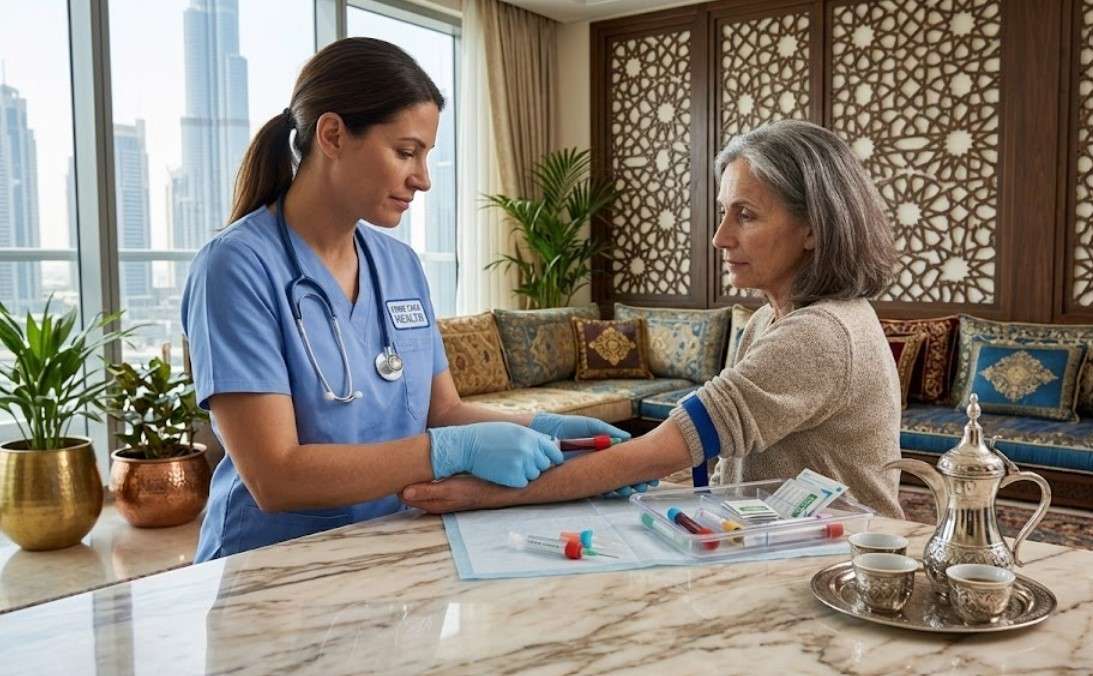
Home Nursing Care: monitoring vital signs, administering medications correctly, preventing complications such as infections or pressure sores, and assisting with hygiene, feeding, and mobility.
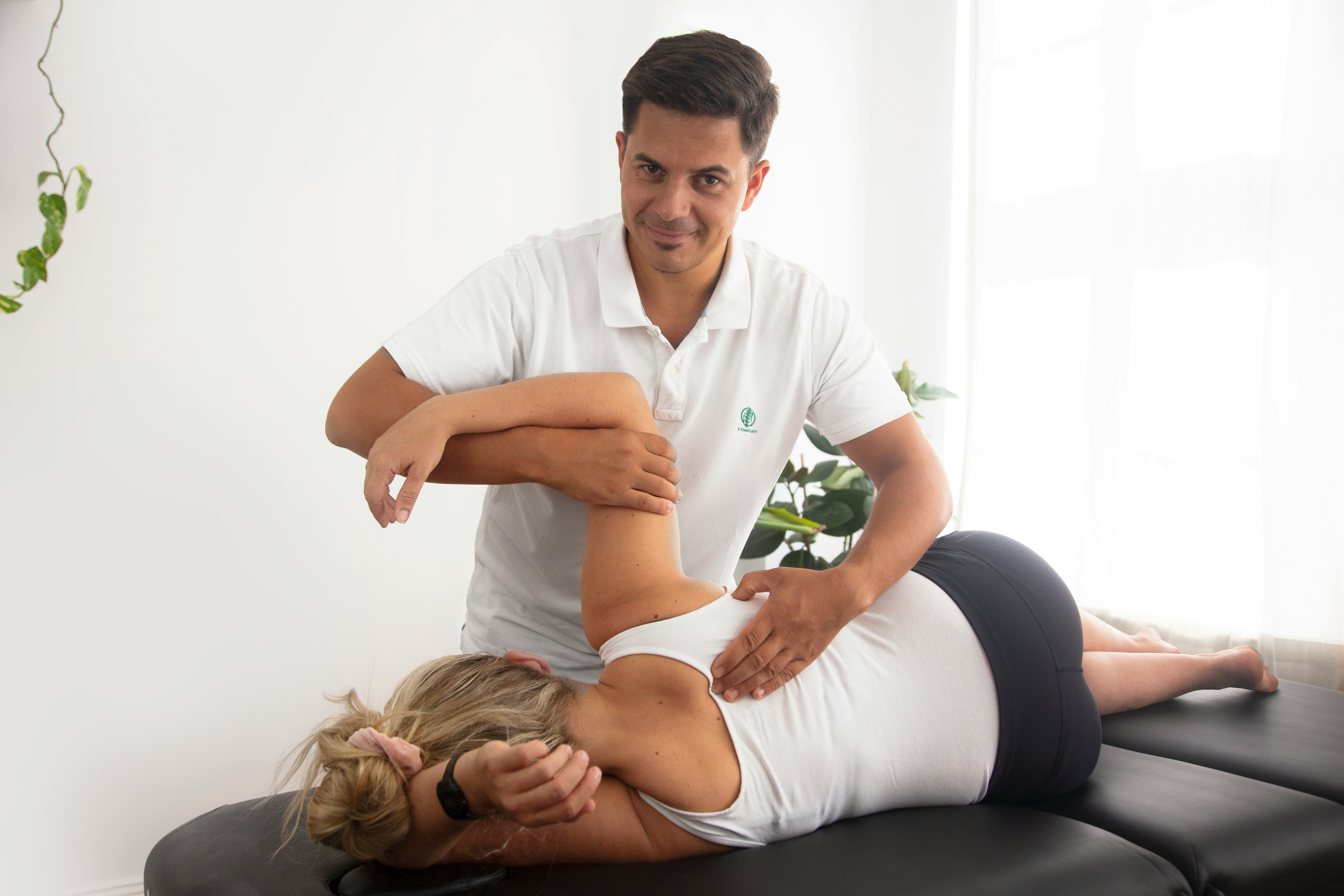
Physiotherapy: regaining strength and balance, improving walking and movement, reducing stiffness, and relearning basic movements safely.
Occupational Therapy: dressing and grooming, eating independently, using hands and arms effectively, and adjusting the home to make it safer.
Speech and Swallowing Support: early professional support helps reduce frustration and prevent complications for survivors who struggle to speak clearly or swallow safely.
What Families Often Don't Expect
Progress isn't always fast or visible. Mood swings, frustration or anxiety can happen after a stroke — these changes are part of the brain healing, not a personal failure. Safety around falls, choking risks, and infections is just as important as progress.
A Final Word for Families
Stroke recovery can feel uncertain and exhausting, but it doesn't have to be navigated alone. With the right guidance, professional support, and reliable information, home rehabilitation can become a space for healing, progress, and renewed confidence.